Vinyl Record
Billie Holiday - Strange Fruit
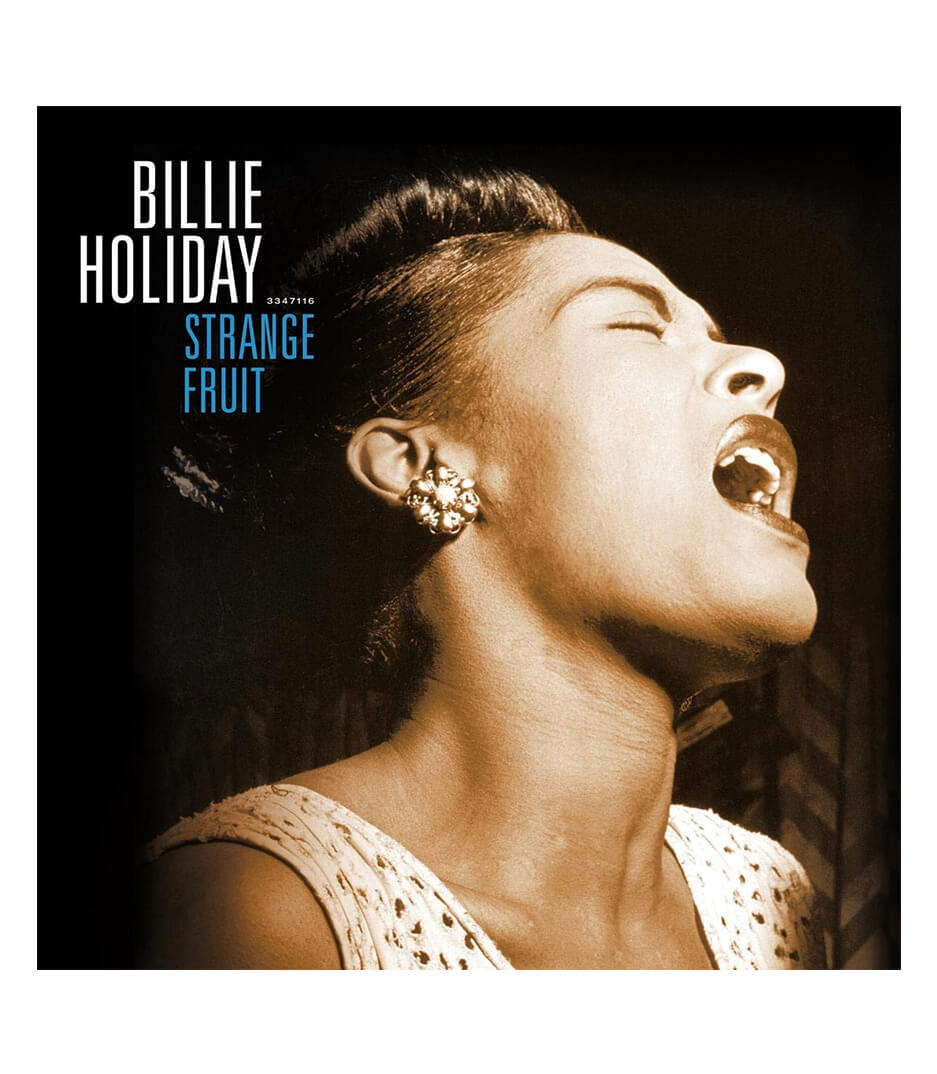
Billie Holiday - Strange Fruit on LP vinyl. A 1939 Jazz record available from Kilmorna Collection in Listowel, Ireland.
LP · Jazz · 1939
Available from Kilmorna Collection in Listowel.
Buyer notes: 1939 LP, currently available from the Kilmorna Collection Jazz shelf. Pay for pickup in Listowel, ship within Ireland from EUR 5.95 per record or outside Ireland from EUR 12.00 per record.
Strange Fruit should be approached with care: the title points first to Billie Holiday's 1939 recording of Abel Meeropol's anti-lynching song, not to a conventional original studio album from that year. Many vinyl releases using the name gather Holiday performances around the reputation of that single, so the responsible way to hear it is as a recording-centered collection anchored by one of the most consequential performances in American music. Holiday's version is devastating because it refuses theatrical excess. Her timing is slow, the imagery is unbearable, and the vocal line carries grief, accusation, and restraint at once. Around that center, related Holiday material often reveals the breadth of her art: conversational phrasing, behind-the-beat tension, romantic ache, and a gift for turning a lyric into lived speech. But Strange Fruit changes the meaning of any surrounding songs. It is a work of witness, a protest song, a jazz vocal performance, and a moral document whose force does not fade with historical distance.
It matters because Holiday's 1939 Strange Fruit recording became one of the defining musical confrontations with racist terror in the United States. Its importance is not only musical; it altered what a popular song could bear, placing protest, trauma, and artistry in the same unavoidable frame.
For a collection, treat this title as a historically anchored Billie Holiday entry rather than a standard album statement. It belongs on a jazz shelf because of her vocal genius, but it also belongs in any serious record library concerned with protest music, American history, and the ethical weight a performance can carry.
Pre-war jazz vocal gravity with spare dramatic pacing, behind-the-beat phrasing, intimate band settings, blues undertones, and a stark protest-song center.
Recommended for: Collectors of Billie Holiday and vocal jazz; Listeners studying protest music history; Jazz shelves focused on pre-war recordings; Anyone interested in songs with major cultural consequence; Careful listeners who value performance as witness.
Is Strange Fruit an original Billie Holiday album? The title most securely refers to Holiday's 1939 recording of the song. Vinyl releases with this title are best treated as compilations or collections anchored by that performance. Why is Billie Holiday's Strange Fruit so important? It is one of the most powerful protest recordings in American music, confronting lynching through a performance that is restrained, direct, and emotionally overwhelming. How should a collector think about this record? Think of it as a historically significant Holiday-centered collection rather than a single-era studio album. The value is in the performance context and the recording's lasting meaning.