Vinyl Record
Blur - 13
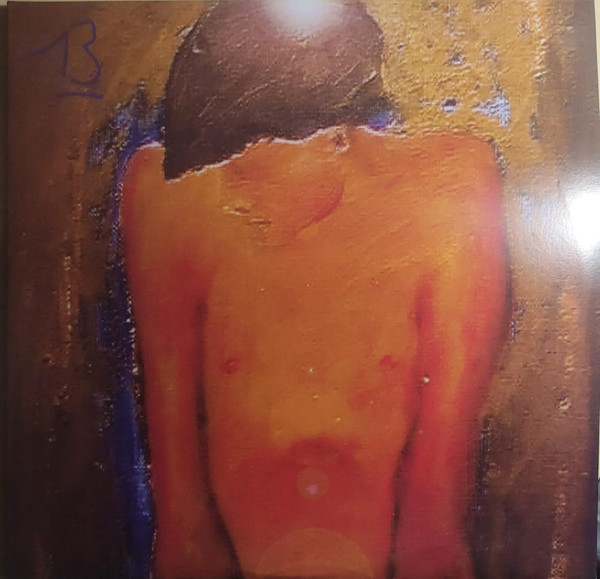
Blur - 13 on 2LP vinyl, released in 1999. Check price, stock, collection and delivery from Kilmorna in Listowel.
2LP · 1999
Available from Kilmorna Collection in Listowel.
Buyer notes: 1999 2LP, currently available from the Kilmorna Collection vinyl shelf. Pay for pickup in Listowel, ship within Ireland from EUR 5.95 per record or outside Ireland from EUR 12.00 per record.
13 is the Blur album where the sharp outlines of Britpop finally dissolve. Released in 1999 after the band had already pushed away from the cheeky character studies of Parklife and The Great Escape, it turns inward, fractured and emotionally exposed. The record was shaped by tension: Damon Albarn's breakup with Justine Frischmann, Graham Coxon's increasingly raw guitar language, and the band's decision to work with William Orbit after years with Stephen Street. Songs such as "Tender", "No Distance Left to Run", "Battle" and "Coffee & TV" make the album feel both wounded and restless, moving from gospel-tinted communal release to static, feedback, electronics and bare confession. It is not Blur trying to repeat the 1990s formula that made them famous. It is the sound of a major British guitar band letting uncertainty into the room and discovering that collapse could be musically fertile.
13 matters because it captures Blur at a point of artistic risk rather than brand maintenance. The album extends the American-influenced looseness of Blur's 1997 self-titled record, but it adds a more personal emotional centre and a wider studio vocabulary. For anyone tracing the end of Britpop as a cultural moment, 13 is essential: it shows one of the movement's defining bands refusing easy celebration and turning the aftermath into art rock, gospel ache and electronic drift.
For collectors, 13 is the Blur record that rewards patience. The big songs are here, but the album's value is in the full arc: the bruised openness of "Tender", the abstract weight of "Battle", the exhausted clarity of "No Distance Left to Run", and the way Coxon's guitar keeps tearing holes in the production. It belongs in a Blur run as the late-1990s pivot where the band became stranger, sadder and more durable.
Experimental alternative rock with gospel shading, loose grooves and damaged balladry. William Orbit's production leaves space for electronics, distortion, tape-like blur and sudden emotional quiet. Graham Coxon's guitars move between melodic fragility, noise, abrasion and small flashes of pop sweetness.
Recommended for: Blur listeners who want the band’s art-rock pivot; Britpop-era collections that go beyond the obvious hits; fans of fractured, emotional late-1990s guitar albums.
What year is Blur's 13? Use 1999. The album was released in March 1999 and belongs to Blur's post-Britpop, late-1990s transition. Why is 13 different from earlier Blur albums? It is less character-based and more emotionally exposed, with William Orbit helping the band fold electronics, gospel textures and studio abstraction into their guitar sound. What are the key tracks on 13? "Tender", "Coffee & TV", "No Distance Left to Run" and "Battle" give a strong map of the album's range.