Vinyl Record
David Bowie - The Man Who Sold The World
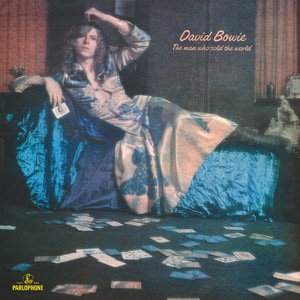
David Bowie - The Man Who Sold The World on LP vinyl. A 1970 record available from Kilmorna Collection in Listowel, Ireland.
LP · 1970
Available from Kilmorna Collection in Listowel.
Buyer notes: 1970 LP, currently available from the Kilmorna Collection vinyl shelf. Pay for pickup in Listowel, ship within Ireland from EUR 5.95 per record or outside Ireland from EUR 12.00 per record.
The Man Who Sold The World is where David Bowie's 1970s begin to gather force before the glamour fully arrives. Released at the turn of the decade, it is heavier, stranger, and more band-driven than the folk-pop image many listeners associate with his earliest work. Mick Ronson's guitar gives the record muscle, while Tony Visconti's production helps create a dark, dense setting for songs about madness, power, doubling, occult unease, and unstable identity. The title track would later gain a second life through other performers, but within the album it is part of a broader atmosphere: Width of a Circle stretching into hard-rock theatre, All the Madmen turning alienation into empathy, The Supermen pushing myth and dread into heavy shapes. Bowie is not yet Ziggy, not yet the Thin White Duke, not yet the Berlin experimenter. He is testing the masks, the volume, and the appetite for danger that would make those later transformations possible.
The album matters because it is one of the key bridges between Bowie's early searching and his classic 1970s identity. It brings hard rock, theatrical writing, psychological unease, and science-fiction imagination into the same room, preparing the ground for Hunky Dory and Ziggy Stardust. It also marks the deepening of Bowie's partnership with musicians who would shape the sound of his breakthrough years.
For collectors, The Man Who Sold The World is not just pre-Ziggy background. It is the dark foundation of the run that follows, especially for anyone interested in Bowie's heavier side and the arrival of Mick Ronson's guitar as a defining force. It gives a Bowie shelf an essential transitional charge: less polished than the masterpieces ahead, but full of the risk and instability that made them possible.
Heavy early-1970s art rock with muscular guitar, dense arrangements, and theatrical menace. Darker and harder than Bowie's folk-leaning beginnings, with lyrics full of fractured identity and mythic dread. A bridge between psychedelic residue, hard rock pressure, and the glam imagination soon to arrive.
Recommended for: David Bowie fans tracing the pre-Ziggy transformation; heavy glam and early-1970s rock collectors; listeners interested in Bowie’s darker guitar-led phase.
What year is The Man Who Sold The World from? The album was first released in 1970 in the United States and is generally dated to 1970 in Bowie's discography. Why is this album important before Ziggy Stardust? It introduces a heavier sound, darker themes, and key musical relationships that helped prepare Bowie's early-1970s breakthrough. Is the title track the only reason to own it? No. The title track is famous, but the full album is important for its hard-rock weight, psychological atmosphere, and transitional role.