Vinyl Record
Crosby, Stills & Nash
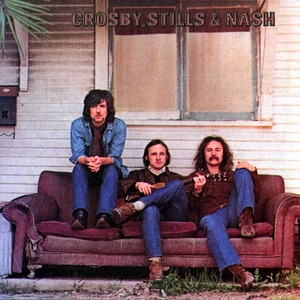
A 1969 folk-rock cornerstone for collectors building a classic rock shelf, available from Kilmorna Collection in Listowel, Ireland.
LP · Rock · 1969
Available from Kilmorna Collection in Listowel.
Buyer notes: 1969 LP, currently available from the Kilmorna Collection Rock shelf. Pay for pickup in Listowel, ship within Ireland from EUR 5.95 per record or outside Ireland from EUR 12.00 per record.
The 1969 Crosby, Stills & Nash debut remains a defining album because it captures the moment when three already-formed musical identities became a new instrument. David Crosby, Stephen Stills and Graham Nash were not unknowns trying to find a sound from scratch. They arrived with histories in The Byrds, Buffalo Springfield and The Hollies, and those histories are audible throughout the record: Crosby's taste for atmosphere and unresolved feeling, Stills' command of guitar, arrangement and blues-rooted motion, Nash's pop fluency and melodic directness. What makes the album remarkable is that none of those identities disappears into the blend. The harmonies are famous because they are beautiful, but they are also dramatic. They let the listener hear difference becoming agreement. That is why the album still feels intimate even when it is delivering songs that became standards of the period. Suite: Judy Blue Eyes begins the record with ambition, rhythmic change and emotional overflow. Marrakesh Express offers motion and color. Guinnevere turns quietness into mystery. You Don't Have to Cry and Helplessly Hoping show how little the trio needed to create tension when the voices were placed correctly. Wooden Ships opens the door to darker, more apocalyptic imagery, while Long Time Gone gives the album one of its strongest political pulses. The record is often filed under folk-rock, but its range is broader than that tag suggests. Acoustic guitars dominate the image, yet blues, Latin accents, electric force and studio layering all shape the experience. It is mellow only if one listens casually. Underneath the brightness is a precise negotiation between romance, dread, escape and social awareness. Released in the year of Woodstock and near the end of the 1960s, the album also carries a transitional charge. It belongs to the counterculture, but it is not simply psychedelic abandon. It points toward the 1970s singer-songwriter era, where individual voices, confessional edges and carefully arranged acoustic textures would become central. In that way, CSN's debut is both a late-1960s document and a blueprint for what came next. It gave listeners a version of rock that could be gentle without being slight, polished without being sterile and personal without losing communal force. The cover and mythology became part of rock memory, but the music does not need the mythology to function. The songs still work because the writing is sturdy and the arrangements understand restraint. Every time the voices meet, the album demonstrates its main idea: collaboration can be as distinctive as a lead singer, and harmony can carry personality rather than soften it. For anyone approaching the group through later anthologies or through the CSNY story, returning to this debut clarifies the origin. Before the larger constellation, before the tensions and reunions, this album made the central case for Crosby, Stills & Nash as a trio: three names, three temperaments and one instantly recognizable sound. The album also deserves attention for its sense of proportion. It knows when to expand and when to let a miniature stand. Suite: Judy Blue Eyes announces a band capable of ambitious structure, yet Helplessly Hoping proves that a few carefully placed voices can be just as commanding. Wooden Ships looks outward toward a damaged world, while Guinnevere turns almost entirely inward. That movement between public and private feeling is one of the record's quiet achievements. The trio's image can sometimes make the music seem softer than it is, but the album is full of tension: romantic fracture, generational unease, political dread and the unstable hope that friendship might become a form of shelter. The arrangements are graceful because they have to carry that tension without breaking the album's welcoming surface. This is why the debut continues to work for listeners who did not inherit the original cultural moment. One does not need period nostalgia to hear the intelligence in the vocal placements, the confidence of the sequencing or the way the group makes acoustic music feel expansive rather than small.
The debut matters because it turned vocal blend into a major rock identity at a moment when the album format was expanding. Its success came from more than pleasant harmonies. Crosby, Stills & Nash showed that a group could be built around the tension between distinct writers and a shared vocal sound, and that acoustic-centered rock could feel ambitious without becoming heavy-handed. The record also linked several strands of 1960s music: folk revival discipline, pop melody, electric rock, protest feeling and the emerging Laurel Canyon sensibility. Its best-known songs have lasted because they are carefully built, but the full album remains important because it captures a new kind of intimacy in mainstream rock. It is a debut with confidence, yet it keeps the freshness of discovery. That balance explains why it continues to serve as a reference point for harmony groups, singer-songwriters and collectors of late-1960s American rock. It also matters as a record of transition between band-based 1960s rock and the more individualized singer-songwriter 1970s. The three names remain separate in the billing, and that separation is part of the meaning. The album lets individual authorship and group identity strengthen one another, a balance many later collaborations tried to imitate. It remains one of the clearest demonstrations that softness can carry structural ambition, political unease and durable rock authority at the same time.
This self-titled album is a cornerstone for any Crosby, Stills & Nash collection and a natural anchor for a broader late-1960s rock shelf. It is the trio's first full statement, and that gives it a clarity later chapters complicate in interesting ways. Collectors who know only the famous songs should spend time with the entire sequence, because the album's stature comes from the way bright pop, hushed balladry and darker folk-rock keep answering one another. It also pairs well with the surrounding work by The Byrds, Buffalo Springfield, The Hollies, early Neil Young, Joni Mitchell and the first solo albums by CSN members. The appeal is not rarity language or version lore; it is musical centrality. This is one of the albums that explains why harmony became a serious rock architecture, and why three individual names could become a single durable identity. For buyers comparing CSN titles, this one should be the starting anchor because it explains the grammar used by nearly everything that follows. Later records add age, polish or larger personnel, but the debut contains the first proof of concept. It is historically major, but it also remains easy to live with because the songs still carry warmth, shape and replay value. It is also a record that supports repeated comparison with the members' earlier bands, making the new chemistry easier to hear in detail.
Close-harmony folk-rock with acoustic precision, melodic pop brightness, bluesy guitar undertones and darker electric passages beneath the warmth.
Recommended for: New listeners who want the clearest entry point into Crosby, Stills & Nash; Collectors of 1960s harmony rock, Laurel Canyon songwriting and Atlantic-era classics; Fans of albums where acoustic intimacy and ambitious rock arrangement meet.
What year was Crosby, Stills & Nash released? It was released in 1969 and introduced the trio's core sound. Why is the album considered important? It helped define harmony-led folk-rock and showed how three established musicians could create a new group identity without losing their individual voices. Is it a good first CSN record? Yes. The debut is the most direct entry point into the trio's original chemistry and includes several of their defining songs.