Vinyl Record
Crosby, Stills & Nash - CSN
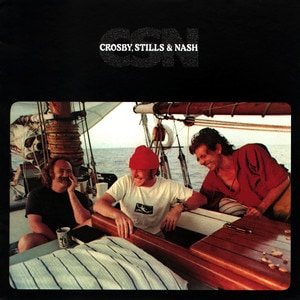
Crosby, Stills & Nash - CSN on LP vinyl. A 1977 record available from Kilmorna Collection in Listowel, Ireland.
LP · 1977
Available from Kilmorna Collection in Listowel.
Buyer notes: 1977 LP, currently available from the Kilmorna Collection vinyl shelf. Pay for pickup in Listowel, ship within Ireland from EUR 5.95 per record or outside Ireland from EUR 12.00 per record.
CSN, released in 1977, is the sound of Crosby, Stills & Nash returning to the trio format after the first great wave of their mythology had already been written. By this point, the group's story included the 1969 debut, the expanded Crosby, Stills, Nash & Young era, major solo work, collaborations, tours and the complicated aftertaste of early-1970s idealism. That history gives CSN a different emotional center from the debut. It is smoother, more reflective and more adult, but it is not simply a mellow sequel. It shows three writers adapting their strengths to a changed decade, when folk-rock had absorbed soft rock polish, singer-songwriter introspection and a more radio-conscious sense of arrangement. The album's best-known song, Just a Song Before I Go, is Graham Nash at his most concise: compact, melodic and bittersweet, with the feeling of a farewell written in transit. Cathedral is one of his more ambitious statements, moving from personal vision into spiritual and historical unease. Dark Star carries a sleek, late-1970s pulse without abandoning the group's harmonic identity. Shadow Captain opens with a moodier sense of drift, while In My Dreams returns to the luminous Crosby mode, full of suspended feeling and inner weather. Stephen Stills supplies guitar authority and rhythmic grounding, giving the record more shape than its smooth reputation sometimes suggests. What makes CSN compelling is the tension between comfort and restlessness. The harmonies are familiar, but the album is not trying to recreate 1969. The voices have aged, the arrangements are more polished, and the emotional register is less utopian. These are not young musicians announcing a new brotherhood; they are established artists trying to make the old chemistry speak inside a more complicated present. That makes the album a key document of continuity. It proved that CSN could still function as a trio with commercial force and artistic identity, not merely as a memory attached to the previous decade. The production belongs to its era, but the core appeal remains the relationship between the three voices. Crosby's parts often bring haze and vulnerability, Stills brings texture and drive, and Nash brings direct melodic communication. The album's sequencing moves between pop accessibility, spiritual anxiety, romantic reflection and road-worn melancholy, which gives it more variety than a casual greatest-hits listener might expect. It also occupies an important place in the group's catalog because it reasserted the trio after years of detours. The 1977 release did not have to invent Crosby, Stills & Nash; it had to prove that the name could still generate new work with its own identity. In that sense, CSN is both a comeback and a consolidation. It is the mature trio record: less startling than the debut, more settled in craft, and quietly revealing about how a famous vocal partnership changes when the 1960s dream has become memory rather than present tense. The album is also notable for the way it lets each writer speak from a different kind of adulthood. Nash often writes with direct melodic economy, but his songs here carry the fatigue and compression of an artist who has spent years inside motion. Crosby's contributions bring inwardness, nocturnal color and a sense of unresolved longing that complicates the record's smooth exterior. Stills, sometimes underestimated in discussions that focus only on the voices, is essential to the album's musical force and shape: his guitar work, rhythmic sense and arrangement instincts give the songs definition. The trio's blend remains the emotional signature, yet the record is most interesting when the blend sounds earned rather than automatic. There is a faint sense of negotiation across the album, as if the musicians are rediscovering how to occupy a shared room after years of separate paths. That tension makes the polish more compelling. Instead of hearing the production as a gloss over conflict, the listener can hear it as the form that allows three complicated artists to meet again with discipline.
CSN matters because it shows Crosby, Stills & Nash surviving their own legend. Many groups built on a spectacular first arrival struggle when the cultural moment changes around them. This album answered by leaning into maturity rather than pretending the trio were still standing at the doorway of 1969. Its success confirmed that their vocal identity remained commercially and emotionally viable in the late 1970s, and Just a Song Before I Go became one of their most enduring later signatures. The record is also important because it captures a softer but not empty version of the band. The writing carries travel fatigue, spiritual questions, romantic uncertainty and the need for renewed connection. That is a different kind of force from the debut's bright discovery. For listeners mapping the group's development, CSN is where the trio becomes a durable adult institution instead of only a symbol of an earlier countercultural moment. Its polish is part of the story, not a flaw to explain away. It also documents the group's ability to translate their identity into a radio environment very different from the one that greeted the debut. The arrangements are smoother and the tempos often more restrained, but the central assets remain intact: song, voice, contrast and emotional recognition. That makes CSN a crucial bridge between the mythic early work and the later catalog.
For collectors, CSN is the essential 1977 chapter: the trio's mature return, a companion to the debut but not a duplicate of it. It is especially useful in a shelf sequence because it shows what changed after the intervening solo records, duo projects and CSNY history. The album gives Graham Nash some of his clearest later showcases, restores Crosby's dreamlike writing to the group frame and lets Stills provide the instrumental grounding that keeps the record from becoming too light. It is a strong pick for listeners who already own the 1969 album and want the next major trio statement rather than a compilation. Expect a smoother late-1970s sound, but listen past the surface polish for the detailed vocal placement and shifting emotional temperature. The collector value here is musical continuity: a famous collaboration still capable of writing new material that reflects age, fatigue, craft and renewed purpose. It is also a useful test record for listeners deciding how deeply they want to follow the group beyond the canonical beginning. If the debut shows discovery, CSN shows endurance. Owning both gives the shelf a stronger narrative: the same three voices at two very different points, separated by fame, side projects, shifting production values and personal weather. It also gives the collection a needed middle-distance view of the band: neither first discovery nor late nostalgia, but a working studio document from their commercially powerful adult phase.
Warm late-1970s folk-rock and soft rock with polished harmonies, reflective songwriting, clean guitar textures and a road-worn melancholy.
Recommended for: CSN listeners who want the mature trio after the early landmarks; Collectors interested in 1970s harmony rock beyond the debut era; Fans of reflective soft rock with strong songwriting and vocal blend.
What year is CSN from? CSN was released in 1977. Is this the same album as Crosby, Stills & Nash? No. Crosby, Stills & Nash is the 1969 debut, while CSN is a later studio album by the trio released in 1977. What is the best-known song on CSN? Just a Song Before I Go is the album's most widely recognized song and one of Graham Nash's concise late-1970s signatures.