Vinyl Record
The Divine Comedy - Casanova
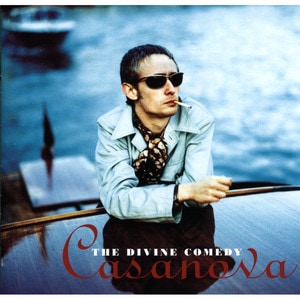
The Divine Comedy - Casanova. LP · Irish · 1996. Sold out at Kilmorna in Listowel; format, release and availability details remain online.
LP · Irish · 1996
Sold out at Kilmorna Collection, retained online as part of the catalogue archive.
Casanova is the Divine Comedy album where Neil Hannon's theatrical wit, baritone poise and pop instinct suddenly move from cult elegance into full public view. Released in 1996, it is the band's fourth studio album and the record that made Hannon's world feel bigger, brighter and more dangerous. It does not simply flirt with chamber pop; it stages it as social comedy, romantic misadventure and literary farce, with strings and brass arranged like scenery that keeps changing behind the singer's raised eyebrow. The breakthrough singles give the album its public face. Something for the Weekend turns seduction into a trapdoor comedy with one of Hannon's most memorable hooks. Becoming More Like Alfie plays with 1960s style, masculine self-mythology and comic self-awareness. The Frog Princess sharpens the romantic absurdity, while Songs of Love became permanently associated with Father Ted without being reduced to a novelty. Around those landmarks, Casanova keeps circling desire as performance: people posture, scheme, fall for illusions and then sing beautifully about the mess. What makes the album endure is the balance between arch intelligence and genuine musical generosity. Hannon can sound amused by his characters, but he rarely leaves them emotionally empty. The arrangements are lush without being merely decorative, and the songs are built tightly enough that the jokes do not have to carry the whole burden. Casanova belongs to the 1990s British and Irish pop moment, yet it also stands apart from it: less guitar-band confession, more drawing-room melodrama; less scene membership, more private universe. It is clever, but its cleverness has melody, timing and heart.
Casanova matters because it turned The Divine Comedy from an admired outsider project into a recognisable pop proposition. The album showed that ornate orchestration, literary humour and a carefully performed vocal persona could still make direct, memorable singles in the mid-1990s. It also fixed many of Hannon's signatures in the public imagination: romantic irony, historical and cinematic reference, immaculate phrasing, and songs that sound comic until the lonely part becomes clear. For collectors mapping British and Irish chamber pop, it is one of the essential records of the decade.
This is the Divine Comedy title to reach for when the shelf needs the sharp, mischievous breakthrough rather than the later career overview. It pairs well with Britpop-era records, but it has a different grammar: more Noel Coward than garage rehearsal, more miniature theatre than youth-club blast. The strongest way to hear it is as a complete album, where the familiar singles sit inside a larger comedy of manners. It is especially rewarding for listeners who enjoy pop that can be witty without becoming thin.
Orchestral chamber pop with baritone-led storytelling, bright hooks, theatrical strings, comic timing and a sly undertow of romantic melancholy.
Recommended for: Collectors building a 1990s chamber-pop and Britpop-adjacent shelf; Listeners who want The Divine Comedy's sharpest breakthrough album; Fans of literate pop where melody and mischief carry equal force.
What year was Casanova originally released? Casanova was originally released in 1996. Which songs define Casanova? Something for the Weekend, Becoming More Like Alfie, The Frog Princess and Songs of Love are the clearest entry points. Is Casanova a good first Divine Comedy album? Yes. It captures Neil Hannon's wit, orchestration and pop craft at the moment those qualities reached a wider audience.