Vinyl Record
The Divine Comedy - Regeneration
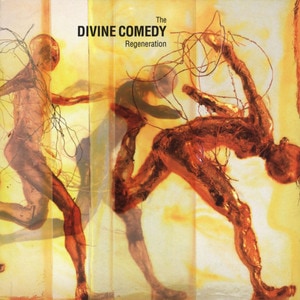
The Divine Comedy - Regeneration on LP vinyl. A 2001 record available from Kilmorna Collection in Listowel, Ireland.
LP · Irish · 2001
Available from Kilmorna Collection in Listowel.
Buyer notes: 2001 LP, currently available from the Kilmorna Collection Irish shelf. Pay for pickup in Listowel, ship within Ireland from EUR 5.95 per record or outside Ireland from EUR 12.00 per record.
Regeneration is the Divine Comedy album that deliberately changes the lighting. Released in 2001, it followed the lush, arch and often flamboyant run that had made Neil Hannon's name, then stepped into a more subdued guitar-led atmosphere. The album was produced by Nigel Godrich, whose reputation naturally invites comparison with the more spacious and melancholy end of late-1990s and early-2000s alternative rock. But Regeneration is not Hannon pretending to be another artist. It is The Divine Comedy testing how much of its identity can survive when the grand curtains are pulled back. The answer is: more than casual listeners might expect. Bad Ambassador, Perfect Lovesong and Love What You Do still carry Hannon's melodic fingerprints, but the surfaces are cooler and less ceremonious. Timestretched opens with a feeling of modern pressure rather than theatrical arrival. Note to Self and the title track push toward introspection, while the album as a whole feels less interested in social comedy than in doubt, fatigue and renewal. Even the love songs sound like they are negotiating with adult uncertainty rather than parading through a set. That makes Regeneration an important outlier. It can surprise listeners who arrive from Casanova or National Express expecting constant wit and orchestral sparkle. Yet the change is part of the appeal. Hannon's writing benefits from the restraint because the songs have to stand without the usual amount of decorative armour. The album's title is not accidental: it is about trying to begin again, both sonically and personally, while still carrying the habits that made the project recognisable. In the catalogue, it is the darker room with the best acoustics.
Regeneration matters because it proves The Divine Comedy was not trapped inside one costume. By stripping back much of the established orchestral identity, Hannon risked alienating listeners who came for the comic baroque side of the band. The gamble gives the catalogue depth. It shows the songwriting under different pressure, foregrounding mood, texture and emotional vulnerability. For anyone interested in artist reinvention, this is the Divine Comedy album where the question is not how clever Hannon can be, but what remains when cleverness is asked to speak quietly.
For collectors, Regeneration is essential precisely because it is not the obvious party piece. It is the album to own when the shelf needs contrast: the subdued, guitar-shaded, early-2000s turn that complicates the Divine Comedy story. It may not be the simplest first purchase for a casual listener, but it becomes more rewarding once the familiar Hannon persona is known. The record sits especially well beside albums where ornate pop writers test restraint and discover that atmosphere can be as revealing as flourish.
Restrained, guitar-shaded art pop with melancholy textures, cleaner arrangements, muted orchestral touches and a more inward vocal presence.
Recommended for: Divine Comedy fans who want the darker outlier in the catalogue; Listeners drawn to early-2000s alternative pop with emotional restraint; Collectors interested in reinvention records rather than simple signature statements.
When was Regeneration released? Regeneration was released in 2001. Why does Regeneration sound different from earlier Divine Comedy albums? It uses a more stripped-back, guitar-led atmosphere and a quieter emotional register than the band's more ornate 1990s work. Which songs are useful entry points? Bad Ambassador, Perfect Lovesong, Love What You Do and Timestretched give a strong sense of the album's range.