Vinyl Record
Bill Evans - Easy to Love
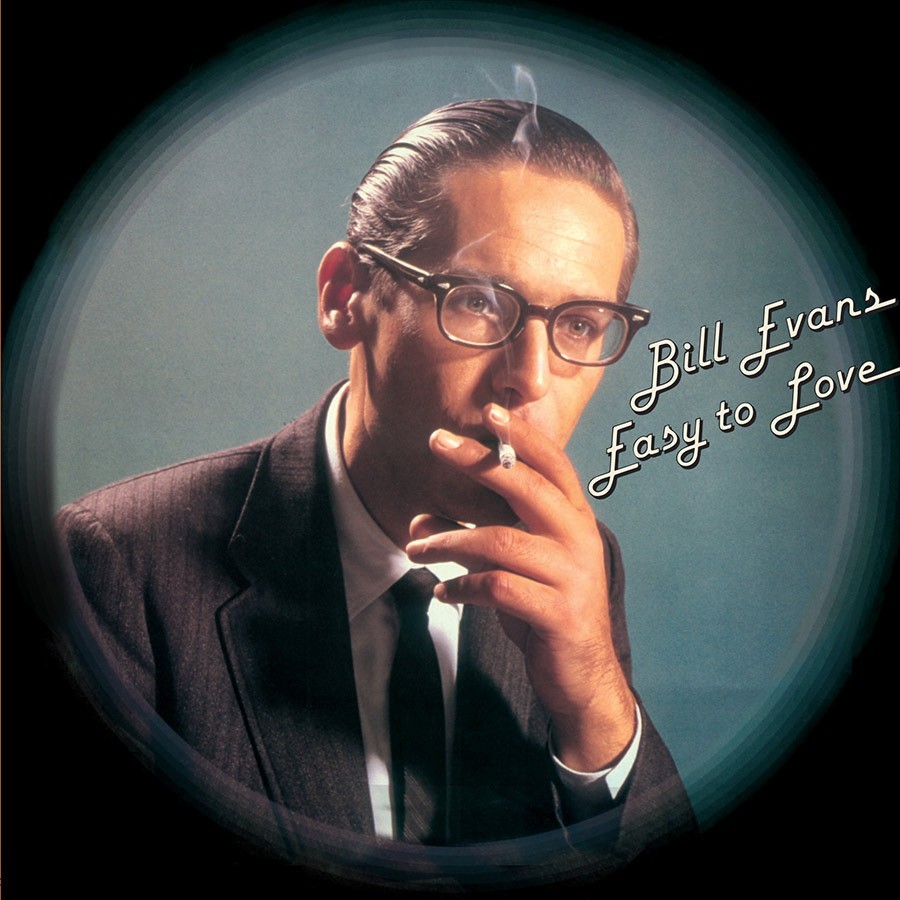
Bill Evans - Easy to Love on LP vinyl. A 1956 Jazz record available from Kilmorna Collection in Listowel, Ireland.
LP · Jazz · 1956
Available from Kilmorna Collection in Listowel.
Buyer notes: 1956 LP, currently available from the Kilmorna Collection Jazz shelf. Pay for pickup in Listowel, ship within Ireland from EUR 5.95 per record or outside Ireland from EUR 12.00 per record.
Easy to Love gathers Bill Evans at the point where the language of the piano trio is beginning to turn inward. The title points to Cole Porter, but the value of the record is broader than one standard. It brings together early Evans material from a period when his touch, harmony and sense of space were becoming recognisably his: lyrical but unsentimental, precise without feeling stiff, and already alert to the way a rhythm section could converse rather than simply accompany. The personnel associated with the core early trio material places Evans with bassist Teddy Kotick and drummer Paul Motian, a pairing that matters because Motian would become central to the pianist's most famous trio language. No Cover, No Minimum, Some Other Time, Easy to Love, Danny Boy, Like Someone in Love and In Your Own Sweet Way form a portrait of a musician who does not need to overwhelm a tune in order to transform it. Evans lets melody remain visible, then changes its emotional temperature through voicing, delay and harmonic shadow. The record is not a single canonical Riverside studio album in the way Portrait in Jazz or Explorations are. Its appeal is archival and musical: it offers a close view of Evans's early vocabulary before the legend hardens around a few famous titles. Heard carefully, the performances show why his influence became so deep. The drama is not loud. It is in the pressure of a chord, the pause before a phrase, and the feeling that every standard is being rethought from the inside.
Easy to Love matters because it directs attention to Evans before and around the formation of his most celebrated trio identity. The music shows the pianist's early command of ballad logic, standard repertoire and group intimacy, with Paul Motian's presence giving the set extra historical interest. For a jazz collection, it fills the space between debut promise and the later Riverside masterpieces, making the evolution easier to hear.
This is a useful Bill Evans shelf piece for listeners who already know the central albums and want the earlier vocabulary in sharper focus. It should be collected as an early-material portrait rather than as a definitive single-album statement. That makes it especially rewarding beside New Jazz Conceptions, Everybody Digs Bill Evans and the later trio records with Scott LaFaro and Paul Motian, where the same instincts become more fully developed.
Intimate early Bill Evans trio jazz with lyrical standards, close harmonic shading, restrained swing and a conversational piano-bass-drums feel.
Recommended for: Bill Evans collectors tracing the pianist's early trio language; Jazz listeners who enjoy standards reshaped through subtle harmony; Fans of quiet, intimate piano records with historical depth.
Is Easy to Love a good first Bill Evans record? It is better as a second-step record. New listeners may start with Portrait in Jazz or Waltz for Debby, then use Easy to Love to hear earlier roots. Why is the 1956 date important? The set points back to early Evans sessions, including material from 1956, when his trio language and touch were still taking shape. What kind of mood does the record have? It is reflective, lyrical and close-up, built around standards and subtle trio interplay rather than hard-bop heat.