Vinyl Record
Genesis - Abacab
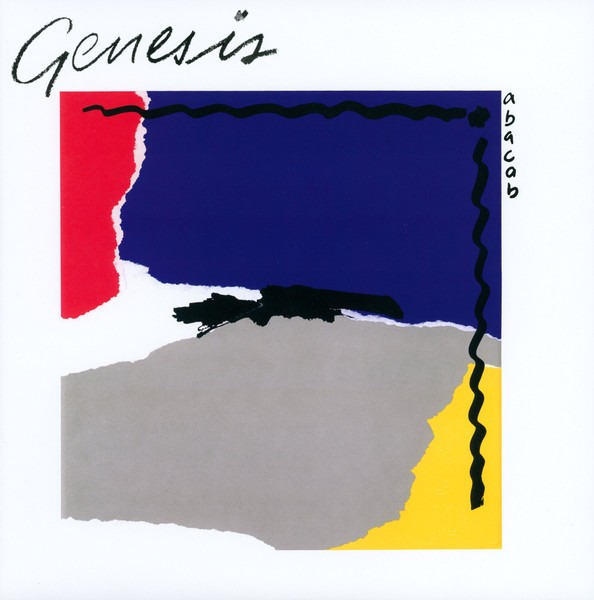
Genesis - Abacab on LP vinyl, released in 1981. Check price, stock, collection and delivery from Kilmorna in Listowel.
LP · 1981
Available from Kilmorna Collection in Listowel.
Buyer notes: 1981 LP, currently available from the Kilmorna Collection vinyl shelf. Pay for pickup in Listowel, ship within Ireland from EUR 5.95 per record or outside Ireland from EUR 12.00 per record.
Abacab is Genesis deliberately disrupting its own habits. Released in 1981, it follows Duke but cuts away much of the lingering symphonic density that still tied the trio to the 1970s. The band had its own studio by this point, and the change is audible: the music feels drier, brighter, more percussive and more willing to leave space. Rather than building long suites, Genesis lean into sharp shapes, bold textures and a kind of art-pop confidence that could be strange and direct at the same time. The title track is the manifesto: a riff, a groove, a refusal to resolve in the old way. No Reply at All brings in brass-fueled pop energy without losing the band's rhythmic precision. Me and Sarah Jane keeps Tony Banks' harmonic imagination alive in a more compact setting, while Dodo/Lurker preserves the darker, heavier side of the trio. Then there is Who Dunnit?, a track that still divides listeners because it turns Genesis' taste for eccentricity into something intentionally abrasive and absurd. Abacab matters as a break in method. It does not simply make Genesis more commercial; it makes them less ornate, more angular and more alive to the early 1980s. The album sounds like a successful band choosing not to become its own museum.
Abacab matters because it marks one of Genesis' clearest reinventions. The trio embraced space, repetition, studio confidence and pop immediacy while retaining enough oddness to keep the record from becoming straightforward arena rock. It is the hinge between Duke's transitional grandeur and the sharper mainstream success that followed.
This is essential for collectors who want the moment Genesis stopped apologizing for becoming a different band. It belongs beside Duke and Genesis as part of the early-1980s transformation, and it is especially rewarding for listeners who enjoy records where progressive musicians rethink economy, groove and texture.
Angular early-1980s art-pop and rock with dry drums, bold keyboard tones, lean guitar parts, rhythmic space and flashes of eccentric Genesis weirdness.
Recommended for: Collectors tracing Genesis' early-1980s reinvention; Listeners who like art-rock bands discovering pop economy; Fans of rhythm-forward Genesis with a sharper studio sound.
What year was Abacab released? Abacab was released in 1981. Why does Abacab sound different from earlier Genesis? The band moved toward leaner arrangements, more space and sharper studio textures instead of the denser symphonic style of the 1970s. Which tracks are key? Abacab, No Reply at All, Me and Sarah Jane and Dodo/Lurker show the album's main directions.