Vinyl Record
George Harrison - Living in the Material World
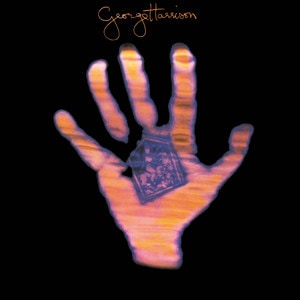
George Harrison - Living in the Material World on LP vinyl. A 1973 record available from Kilmorna Collection in Listowel, Ireland.
LP · 1973
Available from Kilmorna Collection in Listowel.
Buyer notes: 1973 LP, currently available from the Kilmorna Collection vinyl shelf. Pay for pickup in Listowel, ship within Ireland from EUR 5.95 per record or outside Ireland from EUR 12.00 per record.
Living in the Material World is George Harrison turning the afterglow of All Things Must Pass into something narrower, more devotional and more exposed. Released in 1973, it arrived after the scale of his post-Beatles breakthrough and the humanitarian visibility of The Concert for Bangladesh, but it does not simply repeat either triumph. Instead, it asks a harder question: what does spiritual conviction sound like when fame, lawsuits, desire, responsibility and fatigue keep pulling at the sleeve? Give Me Love (Give Me Peace on Earth) opens with one of Harrison's most beautiful prayers disguised as a pop single, the slide guitar answering the vocal like a second voice. The Light That Has Lighted the World, Who Can See It and Be Here Now move slowly and inward, asking for clarity rather than applause. Sue Me, Sue You Blues brings worldly irritation back into the frame, while the title track makes the album's central conflict explicit: the pull between transcendence and the everyday machinery of success. Don't Let Me Wait Too Long and That Is All keep the record from becoming purely austere, adding melodic lift and human tenderness. The album's power lies in its seriousness. Harrison does not treat belief as decoration; he lets it shape the language, pacing and emotional stakes of the record. Living in the Material World can feel demanding, but that demand is the point. It is a pop album trying to make room for the soul without pretending the material world has disappeared.
Living in the Material World matters because it is Harrison's clearest early-1970s statement of spiritual purpose after the enormous cultural arrival of All Things Must Pass. It proved that his solo career was not only about finally releasing a backlog of songs; it was about building a language where devotion, doubt and pop craft could occupy the same record.
For collectors, this is one of the central George Harrison albums. It belongs beside All Things Must Pass not as a smaller sequel, but as a focused counterpoint: less abundant, more severe, and deeply committed to the questions that defined him. Anyone building a serious Harrison section should treat it as core catalogue.
Devotional 1970s rock with luminous slide guitar, gospel warmth, restrained rhythm sections and meditative ballads balanced by flashes of bluesy bite.
Recommended for: Collectors building the essential George Harrison solo run; Listeners interested in spiritual themes inside classic rock songwriting; Fans of Give Me Love and Harrison's most contemplative work.
What year was Living in the Material World released? Living in the Material World was originally released in 1973. Why is the album important? It is Harrison's focused follow-up to All Things Must Pass, built around spiritual searching, moral tension and some of his most distinctive slide guitar work. Which tracks are essential? Give Me Love (Give Me Peace on Earth), Living in the Material World, Be Here Now, Don't Let Me Wait Too Long and That Is All are central to the album's identity.