Vinyl Record
Billie Holiday - Lady in Satin
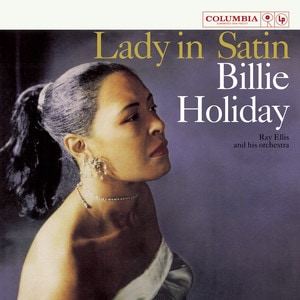
Billie Holiday - Lady in Satin on LP vinyl. A 1958 Jazz record available from Kilmorna Collection in Listowel, Ireland.
LP · Jazz · 1958
Available from Kilmorna Collection in Listowel.
Buyer notes: 1958 LP, currently available from the Kilmorna Collection Jazz shelf. Pay for pickup in Listowel, ship within Ireland from EUR 5.95 per record or outside Ireland from EUR 12.00 per record.
Lady in Satin is the Billie Holiday album where fragility becomes the whole architecture. Released in 1958, it was recorded with Ray Ellis arrangements that placed Holiday before strings, horns, reeds and choir-like softness, a setting far removed from the fleet jazz groups that had carried much of her earlier legend. The contrast is the point. The arrangements are plush, almost ceremonially tender, while Holiday's voice is cracked, exposed and impossible to mistake for anyone else's. The record can be difficult in the most rewarding way. Songs such as I'm a Fool to Want You, You've Changed and I Get Along Without You Very Well do not behave like polished torch performances. They feel closer to last statements, not because the music is morbid, but because Holiday sings as if every line has already been tested against life. Her instrument had changed dramatically, yet her phrasing still holds the song by the throat. She enters late, leans on unexpected words and lets the arrangement swell around the wound rather than cover it. That tension has made Lady in Satin one of the most debated and beloved albums in vocal jazz. It is not the place to begin if someone wants only the agile swing of the young Lady Day. It is the place to go when the question is how much truth a singer can carry after beauty has become complicated.
Lady in Satin matters because it challenged the idea that a great vocal album must depend on technical bloom. Holiday's authority here is interpretive: the meanings arrive through damage, timing and nerve. It is one of the defining late-career jazz vocal statements, and its emotional intensity continues to shape how listeners understand vulnerability, age and survival in recorded song.
For a Billie Holiday collection, Lady in Satin is essential because it occupies a singular place: neither a conventional standards album nor a simple document of decline. It belongs beside the great late vocal records, the albums where an artist's history changes the meaning of every phrase. Collectors who already own the early Columbia or Commodore sides will hear a completely different kind of mastery here.
Orchestral vocal jazz with burnished strings, solemn horn colors and an exposed late-period voice that makes elegance feel bruised and immediate.
Recommended for: Collectors building a serious Billie Holiday section; Listeners drawn to late-career vocal statements; Fans of orchestral jazz singing with emotional gravity.
Was Lady in Satin released during Billie Holiday's lifetime? Yes. Lady in Satin was released in 1958 and was the last album issued during her lifetime. Why is the album so emotionally intense? Holiday's late voice is set against lush Ray Ellis arrangements, creating a stark contrast between orchestral beauty and exposed, weathered phrasing. Is this a good first Billie Holiday album? It can be powerful as a first listen, but it is best understood alongside her earlier small-group recordings because it shows a very different stage of her art.