Vinyl Record
Wayne Shorter - Second Genesis
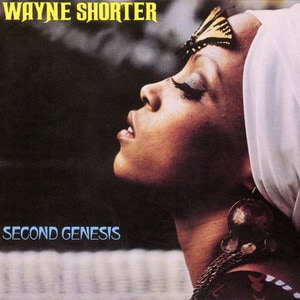
Wayne Shorter - Second Genesis. LP · Jazz · 1960. Sold out at Kilmorna in Listowel; format, release and availability details remain online.
LP · Jazz · 1960
Sold out at Kilmorna Collection, retained online as part of the catalogue archive.
Second Genesis is Wayne Shorter at the beginning of the 1960s, before the Blue Note masterpieces and before his writing became one of the defining forces inside Miles Davis' second great quintet. Recorded for Vee-Jay in 1960, it captures the young tenor saxophonist in hard-bop formation, still close to the language of Art Blakey's Jazz Messengers but already writing lines that do not feel generic. The delayed release history gives the album an unusual place in the catalogue: it was recorded early, but listeners often encountered it later, after Shorter's reputation had already been transformed by JuJu, Speak No Evil, E.S.P. and Nefertiti. That reversal can make Second Genesis feel like a prequel. The title track, The Ruby And The Pearl, Pay As You Go and Mr. Chairman show the shape of a player who could move through blues pressure, ballad weight and angular composition without losing warmth. It is not the fully mysterious mid-1960s Shorter yet; it is the moment where a formidable post-bop imagination is beginning to separate itself from the pack.
Second Genesis matters because it documents Wayne Shorter before the canonical Blue Note and Miles Davis years made him central to modern jazz composition. The 1960 session shows the hard-bop foundation beneath the later abstraction, lyricism and harmonic daring.
For collectors, Second Genesis is early Shorter with a complicated release path, best understood as a formative session rather than a later-career afterthought. It belongs near Introducing Wayne Shorter and Wayning Moments for the Vee-Jay portrait of his first leader period.
Early-1960s hard bop with muscular tenor lines, blues-rooted themes, compact ensemble drive, ballad poise, Art Blakey-era urgency and early signs of Shorter's oblique compositional voice.
Recommended for: Collectors tracing Wayne Shorter's pre-Blue Note leader sessions; Listeners interested in the hard-bop roots of later post-bop writing; Fans of tenor saxophone albums with strong original composition.
When was Second Genesis recorded? Second Genesis was recorded in 1960, during Wayne Shorter's early period as a leader. Why does Second Genesis feel like an early document? It predates Shorter's best-known Blue Note and Miles Davis work, showing his hard-bop foundation before the later breakthroughs. Which label first recorded this period of Wayne Shorter? The session belongs to Shorter's early Vee-Jay period, alongside his other first leader recordings.