Vinyl Record
Stan Getz
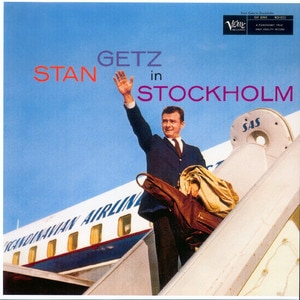
Stan Getz on LP vinyl, released in 1962. Check price, stock, collection and delivery from Kilmorna in Listowel.
LP · 1962
Available from Kilmorna Collection in Listowel.
Buyer notes: 1962 LP, currently available from the Kilmorna Collection vinyl shelf. Pay for pickup in Listowel, ship within Ireland from EUR 5.95 per record or outside Ireland from EUR 12.00 per record.
Stan Getz, in this catalogue context, points into the 1962 Big Band Bossa Nova moment: the period when Getz's tenor sound helped carry Brazilian rhythm into the mainstream of American jazz listening. That timing matters enormously. Jazz Samba had already made the Getz/Charlie Byrd sound a commercial surprise, and Getz/Gilberto was still ahead; Big Band Bossa Nova belongs in the middle, expanding the language with Gary McFarland's arrangements and a larger ensemble frame. Manha De Carnaval, Balanço No Samba, Melancolico, Entre Amigos, Chega De Saudade and One Note Samba place Getz's famously airy tone against brass, reeds and rhythm writing that can feel lush without becoming heavy. It is a different kind of Stan Getz record from the small-group cool-jazz dates of the 1950s or the later bossa nova masterpiece with João Gilberto. Here the attraction is the way the tenor line remains human, lyrical and unforced inside a fashionable early-1960s orchestral setting. The album catches a precise crossover instant: jazz sophistication, Brazilian song form and pop accessibility moving toward one another.
This Stan Getz title matters because the 1962 bossa nova period changed his public identity from admired cool-jazz tenor to a central figure in one of jazz's major crossover waves. The larger-arranged setting shows how flexible that sound was before the later Getz/Gilberto breakthrough fixed the story in memory.
For collectors, this is best understood as a Stan Getz bossa-era LP with a larger arranged sound. Its shelf value is the early-1960s bridge between Jazz Samba and the later Brazilian collaborations that made his name travel far beyond the jazz bins.
Early-1960s bossa nova jazz with lyrical tenor saxophone, big-band colour, Brazilian rhythmic lift, polished brass and reeds, relaxed swing, elegant arrangements and a warm crossover mood.
Recommended for: Collectors tracing Stan Getz's bossa nova years; Listeners who want Brazilian jazz with a larger arranged sound; Fans of Manha De Carnaval, Chega De Saudade and One Note Samba.
What era does this Stan Getz catalogue item represent? It represents Getz's 1962 bossa nova period, when his tenor sound was becoming closely tied to Brazilian-influenced jazz. Why is 1962 important for Stan Getz? It falls between Jazz Samba and Getz/Gilberto, placing the music in the fast-moving moment when bossa nova reached a wide jazz audience. What is the musical character of this Stan Getz title? It pairs Getz's soft-toned tenor saxophone with bossa nova rhythm and larger ensemble arrangements rather than a bare small-combo setting.